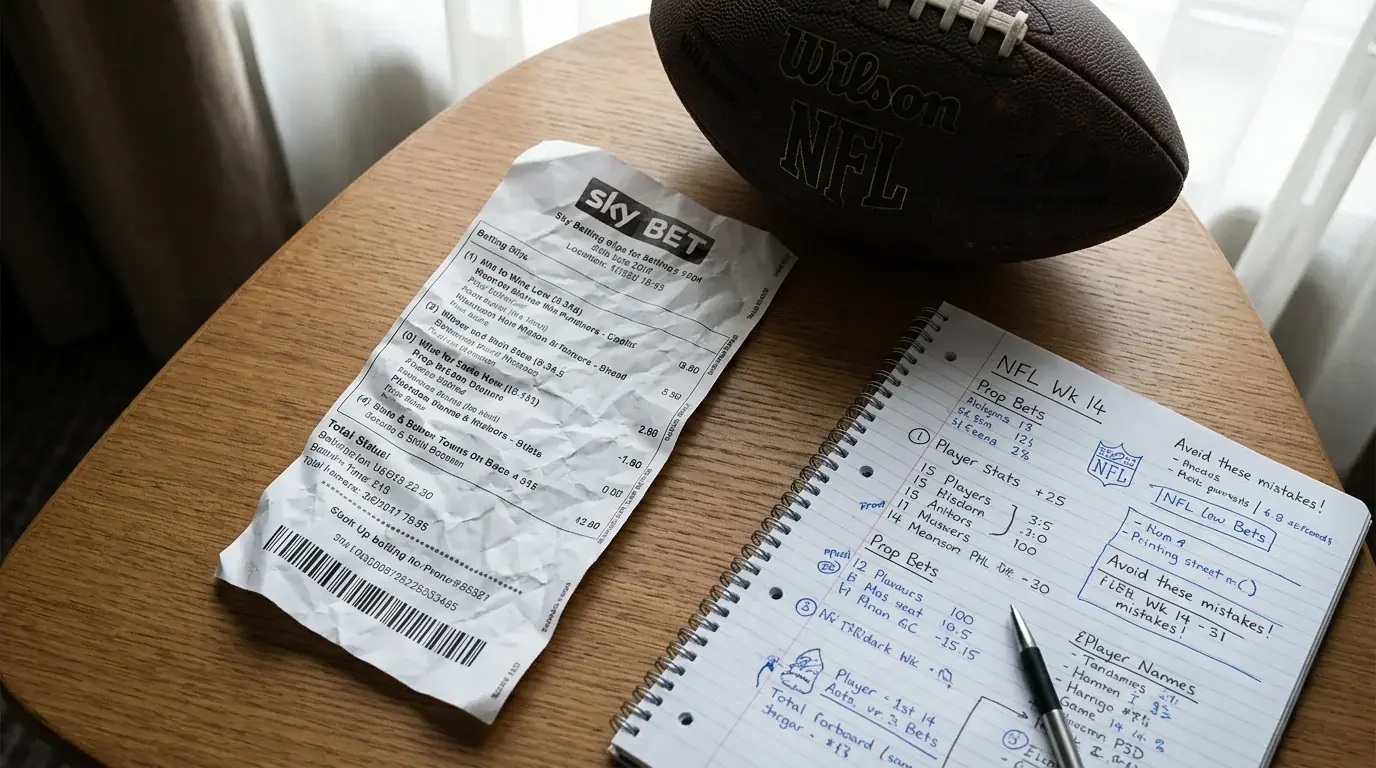
NFL Special Teams Props: Returns, Blocks and the Markets Nobody Reads
 Available in US
The narrow but interesting world of special teams props
I spent a Sunday afternoon in 2021 watching a punt returner field eight returns for 112 yards in a game where both offences were dreadful. His return yardage prop had been set at 24.5 yards, and the over cashed before halftime. Nobody in my betting group had even noticed the market existed. That game taught me something valuable: the least-watched phase of football generates some of the most mispriced props on the board.
Special teams — the unit responsible for kickoffs, punts, field goals, and returns — occupies an awkward spot in the NFL betting ecosystem. It is not glamorous enough to attract public money, not volatile enough to excite recreational bettors, and not visible enough for most UK viewers to even know the relevant players’ names. The result is a set of markets that the books price with wider margins but less analytical rigour. Prop bets as a category represent an estimated 15-20% of total NFL handle at online sportsbooks, but the special teams slice of that handle is vanishingly small — which is precisely what creates the inefficiency.
The range of special teams props varies by sportsbook, but the core menu at UK-facing operators typically includes punt return yards, kick return yards, total return yards, and occasionally blocked kick or return touchdown markets. The depth is thinner than offensive props, but the inefficiency is greater — and that trade-off favours the bettor willing to do the work.
Discover everything about prop bets for nfl here.
Punt and kickoff return TD markets
Return touchdown markets are the headline special teams props — the rare, high-price selections that catch the eye of casual punters scrolling through the bet builder. A punt return touchdown or a kickoff return touchdown is priced between 10.00 and 20.00 at most UK sportsbooks, reflecting the genuine rarity of the event. Each type occurs in roughly 2-4% of NFL games, and the pricing is generous enough to look appealing but typically carries an overround that makes long-term profitability difficult.
The talent of the returner matters, but return touchdowns are largely products of scheme breakdowns by the coverage unit — a missed tackle at the point of attack, a crease that should not exist, a gunner who takes a bad angle. These events are closer to random than any statistical model can capture. I have bet return touchdown props exactly seven times across my career and hit twice, which sounds profitable in isolation but represents too small a sample to draw conclusions.
What I do look for is the combination of an elite returner (top-five in average yards per return on the season) facing a bottom-10 coverage unit. When both conditions are present, the probability of a return touchdown rises above the baseline, and the price may not fully reflect the elevated chance. The edge, if it exists, is narrow — and the variance is enormous. I treat return touchdown props as occasional plays worth a small stake, not as a reliable income stream.
Kick return touchdowns have been further complicated by the NFL’s 2024 kickoff rule changes, which redesigned the formation to encourage returns but also altered the blocking dynamics. The new rules produced a flurry of long returns in the early weeks of the 2024 season, then settled into more predictable patterns. UK sportsbooks are still adjusting their models for the new kickoff format, and pricing inconsistencies have appeared — particularly in the first half of each season, before the data stabilises.
Blocked kick and special teams score markets
Blocked punt, blocked field goal, and special teams score markets sit at the extreme end of the probability spectrum. The prices reflect the rarity — blocked kick props typically sit at 8.00 to 15.00 — but the analytical surface area is larger than most punters realise.
Some teams scheme blocked punts better than others. They dedicate practice time to timing the snap, identifying the gap between the shield blockers, and launching a designated rusher through the lane. When that schematic aggression meets a protection unit with a known weakness — a slow snap, a short-stepping personal protector, or a punter with a longer-than-average hang time before contact — the probability of a block rises above the 5-8% range that the price typically implies.
I have bet blocked kick props five times in eight seasons. Two hit. The edge came from identifying matchups where a team with a historically poor offensive line protection scheme on punts faced an opponent with an aggressive, well-coached rush unit. The data for these evaluations comes from special teams film study — not readily available to most UK punters, but accessible through NFL analysis sites that track punt rush frequency, block rates, and snap-to-kick times.
Special teams score markets combine blocked kicks, return touchdowns, and other special teams scoring into a single yes/no proposition. The aggregation raises the probability compared to any individual event, and the pricing sometimes underestimates the combined likelihood. In games where both teams have below-average special teams protection and above-average return talent, the “any special teams score” market can offer genuine value. I scan this market weekly but bet it perhaps three or four times per season.
Return yardage props where available
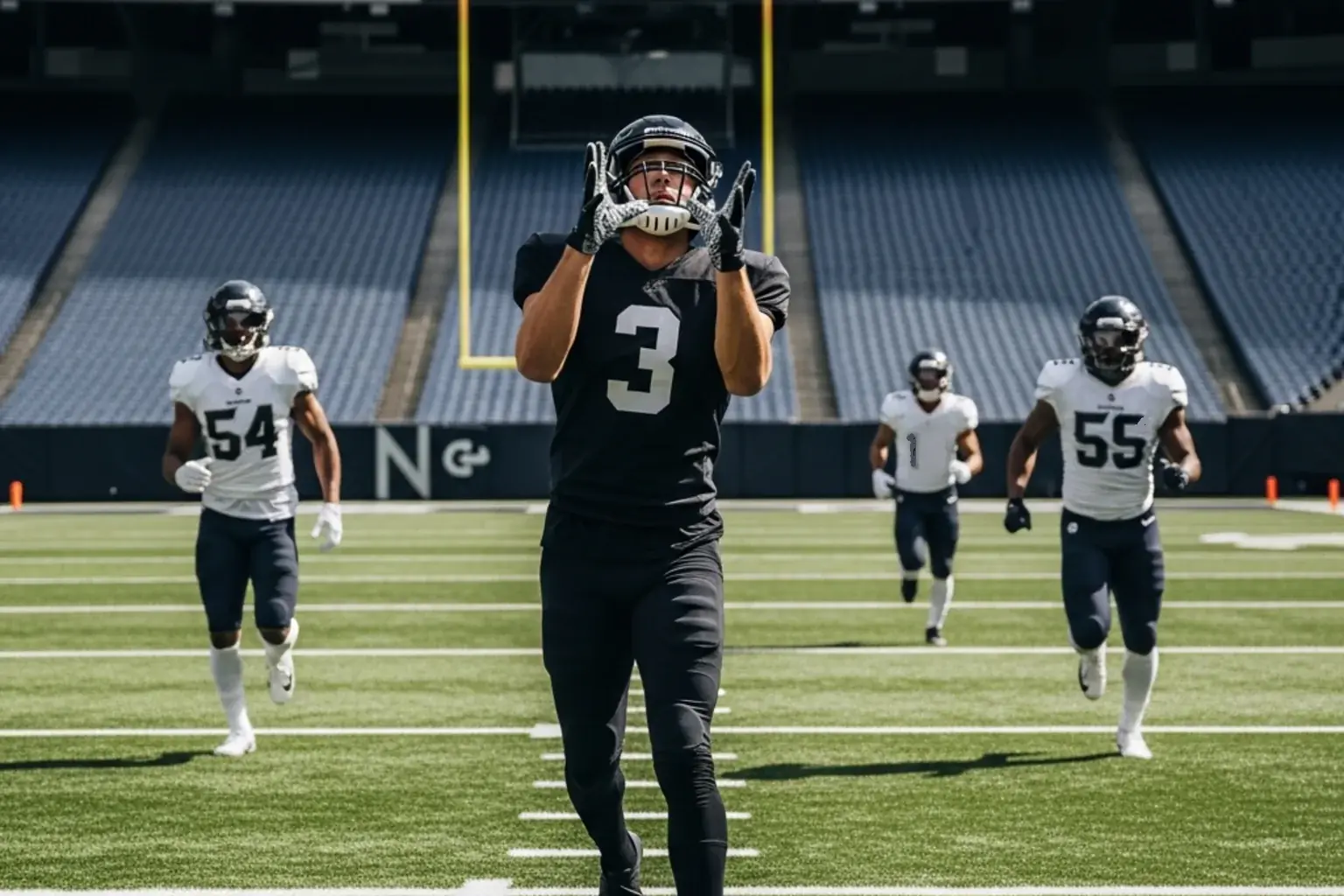
Punt return yardage is the most commonly available special teams yardage prop at UK sportsbooks, usually set somewhere between 15.5 and 35.5 depending on the returner’s profile and the game environment. Kick return yardage props are becoming rarer as the kickoff rules continue to evolve, but they still appear at the larger UK platforms for primetime fixtures.
What makes return yardage props different from offensive yardage markets is the extreme dependence on opportunity. A wide receiver’s receiving yards are driven partly by talent and partly by game script, but a punt returner’s yardage is driven almost entirely by how many punts the opposing team executes. If the opposing offence scores touchdowns on every drive, there are no punts to return. If the opposing offence goes three-and-out repeatedly, the returner could see six or seven opportunities.
Fair catches are the invisible killer of return yardage props. A returner who fair-catches four of his five punt opportunities is functionally limited to a single return for yardage purposes. Coverage quality drives fair-catch rates — teams with fast, disciplined gunners force more fair catches. I track opposing punt coverage rankings and avoid return yardage props against teams ranked in the top five for punt coverage efficiency.
My approach to return yardage props is to model the expected number of punts in the game, then estimate the returner’s likely yards per live return (excluding fair catches). Teams that face elite defences punt more. Teams with poor offences punt more. The average NFL game produces roughly nine punts combined, but the range runs from three or four in shootouts to fifteen or more in defensive struggles. Games with totals below 42 and at least one bottom-10 offence are the sweet spot for punt return yardage overs.
Why these markets are low volume, high variance
Special teams props combine two characteristics that most bettors find unappealing: small sample sizes within individual games and low predictability from week to week. A starting wide receiver might see 8-10 targets per game — enough data points within a single game to produce a reasonably stable yardage outcome. A punt returner might see two or three live return opportunities. The per-game sample is so small that outcomes are dominated by a single play.
Check out our guide on NFL Team Props in the UK: Totals, Halves and Score-First Markets as well.
The variance has a direct bankroll implication. Even with a genuine edge, special teams props will produce longer losing streaks than offensive player props because the outcomes are lumpier. I stake special teams props at half my standard unit to account for this variance, and I track them as a separate sub-portfolio within my overall prop results. The segregation helps me evaluate whether my special teams analysis is actually profitable or whether I am being carried by a few lucky outcomes.
The NFL season generates 272 regular-season games. Across that slate, I typically find 15 to 20 special teams props worth serious consideration, and I end up betting roughly half of those after price comparison across UK books. The total volume is low, but the per-bet edge can be meaningful precisely because so few bettors and traders devote attention to this phase of the game. For the broader kicking context that overlaps with special teams markets, the kicker props guide covers field goals, extra points, and the weather variables that affect both kicking and return dynamics.
Are special teams TDs included in standard anytime TD scorer props?
It depends on the sportsbook and the specific market. At most UK-licensed operators, a punt or kick return touchdown does count toward an anytime touchdown scorer prop — if the player who scored the return TD is listed in the anytime scorer market. However, some books exclude special teams touchdowns from certain markets. Always check the settlement rules for the specific prop before placing your bet.
How rarely does a punt return TD actually happen in a game?
Punt return touchdowns occur in approximately 2-3% of NFL games — roughly five to eight times across an entire regular season of 272 games. The rarity is reflected in the pricing, with most UK sportsbooks offering odds of 12.00 to 20.00 on a specific player to score a punt return touchdown in a given game.
Which UK bookmakers carry return-yardage props?
The largest UK platforms — including the major high-street names and their online operations — carry punt return yardage props for most regular-season games and all playoff fixtures. Kick return yardage props are less consistently available and may only appear for primetime or high-profile games. Smaller UK sportsbooks often do not carry return yardage markets at all. Check on game day, as these props are sometimes added late in the week.
Written by the editors at Prop Bets for nfl.