Line Shopping for NFL Props: How UK Punters Find the Best Price
 Available in US
Why line shopping is the simplest edge a UK punter can keep
I can teach someone the basics of NFL prop analysis in an afternoon. Expected value, implied probability, red-zone efficiency, game script — these concepts take time to master but minutes to understand. Line shopping, by contrast, takes no analytical skill whatsoever. It is pure mechanical advantage: checking two or three prices before placing a bet, and taking the best one. It is also the single most impactful habit a UK prop bettor can adopt, and the one that most bettors ignore.
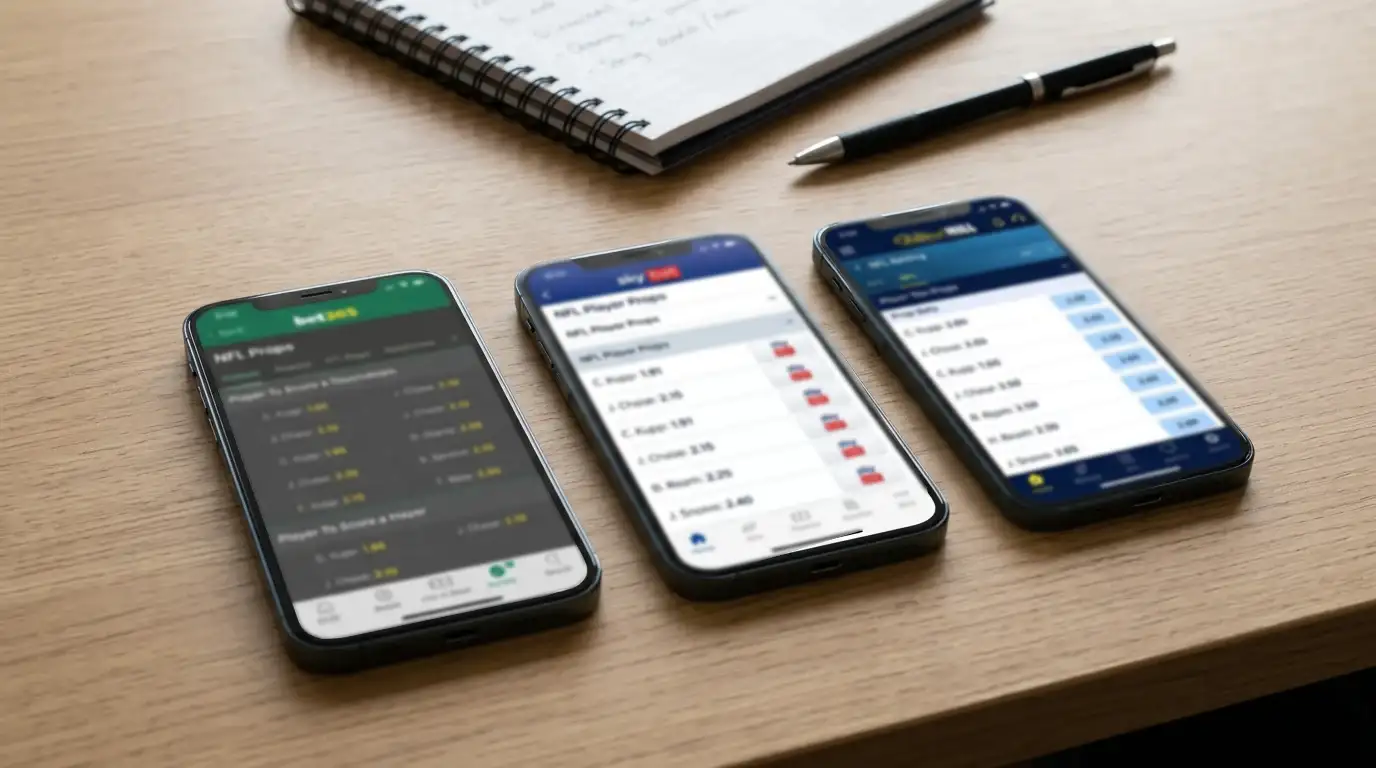
The reason line shopping works is that UK sportsbooks do not agree on the right price for NFL props. The same quarterback passing yards over/under might sit at 1.85 at one book, 1.91 at another, and 2.00 at a third. Over a season, consistently betting at 2.00 instead of 1.85 on the same line produces a return difference that dwarfs any analytical edge most punters will ever achieve. Flutter Entertainment — the parent company of Sky Bet and Paddy Power — generated $15.91 billion in group revenue for 2025, a 17% increase over the prior year. That revenue comes, in part, from punters who pay higher prices than necessary because they do not compare.
Discover everything about prop bets for nfl here.
Holding multiple UKGC accounts responsibly
Line shopping requires accounts at multiple sportsbooks, and in the UK that means multiple UKGC-licensed platforms. There is nothing improper or unusual about holding accounts at several bookmakers — it is legal, widely practised, and actively encouraged by the competitive structure of the market. The Gambling Commission regulates each operator independently, and your obligations as a bettor (age verification, identity checks, responsible gambling tools) apply identically at each one.
I maintain active accounts at five UK sportsbooks. Not all five carry NFL props with equal depth, but having five options means I almost always find the best available price on any given prop. The administrative overhead is minimal — each book requires a one-time registration, and the ongoing management is simply a matter of keeping each account funded at a level that lets me place a bet when the price is right.
The practical consideration is deposits. Spreading your bankroll across five books means each individual account holds less capital, which can limit your ability to place larger bets at a single platform. I allocate my prop bankroll roughly equally across three primary books and keep the remaining two funded at a lower level for occasional use when they offer a standout price. The allocation shifts over the season based on which books are offering the most competitive NFL prop pricing.
How much prop prices actually vary
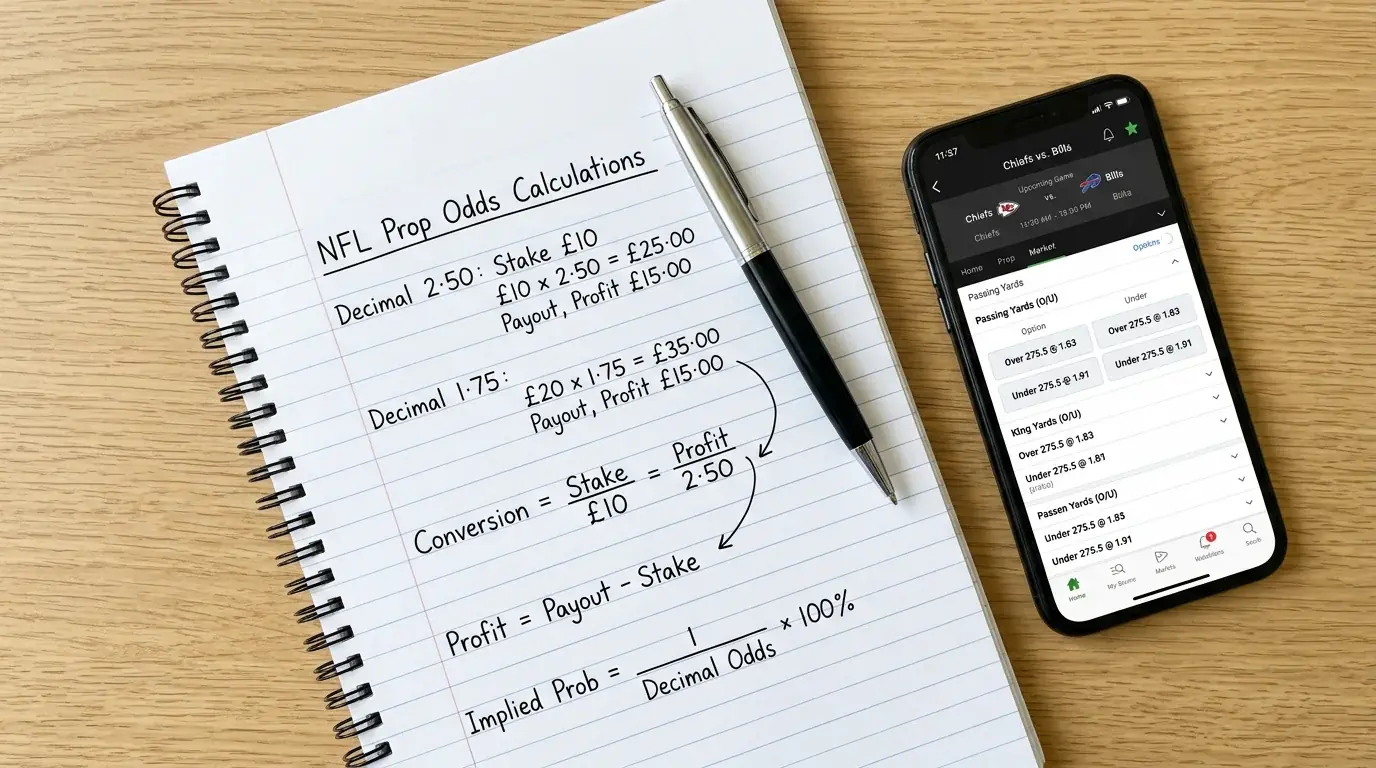
The variance in prop pricing across UK sportsbooks is wider than most punters expect and wider than the variance on spreads or game totals. On a typical Sunday during the NFL season, I log the prices for the same player prop — usually a passing yards over/under — across four books. The average price difference between the best and worst book is 0.12 in decimal odds. That sounds small. It is not.
A difference of 0.12 on a 1.90 baseline means the best price is roughly 6% more generous than the worst. On a 10-pound bet, that is an extra 1.20 pounds of return. Over 200 prop bets in a season at the same average stake, the difference is 240 pounds — pure profit from nothing more than checking a second screen before placing. The edge requires no prediction, no model, and no insight. It requires only the discipline to compare before you click.
The variance is not uniform across prop types. Anytime touchdown scorer markets show the widest price variation because the margin on those markets is high and each book sets its own margin level. Passing yards props show moderate variation. Rushing yards and receiving yards props tend to cluster more tightly, probably because the lines are derived from the same data sources and the market is more standardised. I find the most profitable line-shopping opportunities in the touchdown and niche player prop markets, where the books are most likely to disagree.
Using aggregators and comparison tools
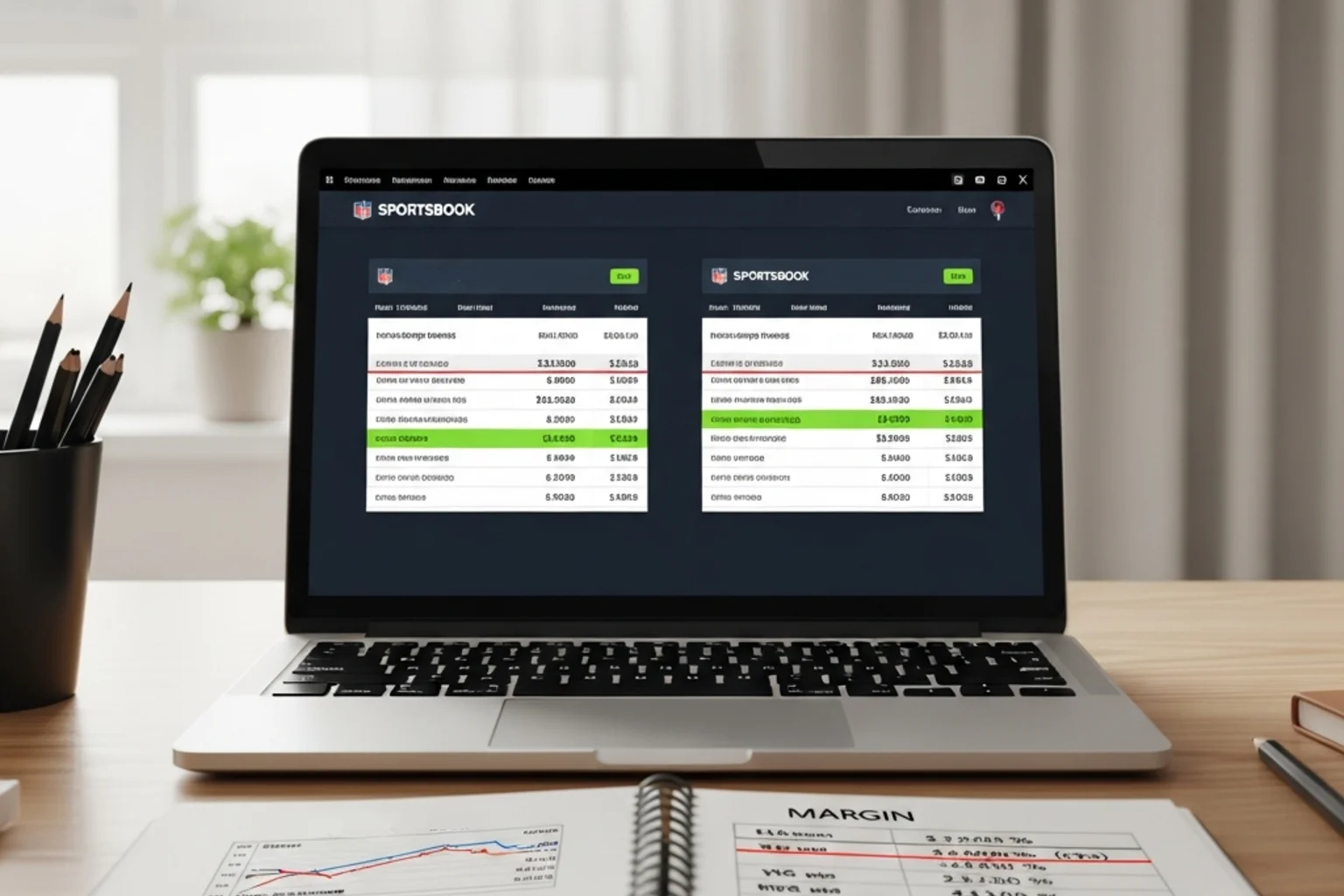
Several third-party websites aggregate odds from UK sportsbooks and display them side by side, allowing punters to compare prices without logging into each individual platform. These tools are useful but imperfect, and understanding their limitations is important.
The primary limitation is coverage. Most aggregators pull odds from the major UK sportsbooks — the largest five or six — but do not include every UKGC-licensed operator. A smaller book that offers a standout price on a specific NFL prop may not appear in the comparison tool. I use aggregators as a starting point, not an endpoint: they identify the general price range and highlight obvious outliers, but I still check my individual accounts for final confirmation before placing a bet.
The secondary limitation is timing. Aggregators update on intervals — typically every few minutes — and the prices displayed may lag behind the live market. During the hours before NFL kickoff, prop prices can move quickly in response to injury news, lineup announcements, and sharp action. An aggregator showing a price of 2.05 might be reflecting a number that has already moved to 1.95 at the actual sportsbook. I treat aggregator prices as directional signals and verify the live price at the book before placing.
Time cost vs edge gained
The most common objection to line shopping is time. Checking three or four prices before every bet adds a few minutes to each decision, and over a full season of prop betting, those minutes accumulate. The question is whether the time spent is justified by the edge gained.
Check out our guide on NFL Live Prop Betting in the UK: In-Play Markets and How They Move as well.
I have tracked this explicitly over two seasons. My average line-shopping session for a single prop bet takes 90 seconds — pull up the market on three apps, note the prices, place at the best one. Across 200 bets per season, that is five hours of total time. The return difference from consistently taking the best available price, based on the average 0.12 variation I observe, is approximately 240 pounds on my typical stake level. That works out to 48 pounds per hour of line-shopping effort.
For context, no analytical edge I have found in NFL props has produced a higher per-hour return than the mechanical act of checking multiple prices. My statistical models, my red-zone analysis, my game-script reads — all of them contribute to identifying good bets, but the per-hour return on the analytical work is lower because the research time is substantial. Line shopping is the highest-ROI activity in my entire prop betting workflow, and it requires zero expertise. If you are not doing it, you are voluntarily paying a tax that every other serious bettor avoids.
Understanding why prices differ across books connects directly to the margin and vig structure that each sportsbook applies — knowing how much of the price difference comes from margin versus line quality helps you make smarter comparisons.
How many UK sportsbooks should I realistically hold accounts at?
Three to five is the practical sweet spot for NFL prop betting. Fewer than three limits your ability to find competitive prices consistently. More than five creates administrative overhead and spreads your bankroll too thin across platforms. Start with three books that carry deep NFL prop menus and add more as your comfort and bankroll allow.
Do aggregators show every UK book’s prop prices?
No. Most odds comparison sites cover the five to eight largest UK sportsbooks but miss smaller operators that may offer competitive pricing on niche NFL prop markets. Aggregators are a useful starting point for identifying price ranges and outliers, but they should not replace checking your individual accounts for final price confirmation.
Is line shopping still worth it for tiny prop edges?
Yes. Even small price differences compound over a season. A consistent 0.05 improvement in decimal odds across 200 bets produces a measurable return improvement that costs nothing beyond the time to compare. The smaller your analytical edge on individual bets, the more important the mechanical edge of line shopping becomes — it is often the difference between a losing and a breaking-even season.
Written by the editors at Prop Bets for nfl.