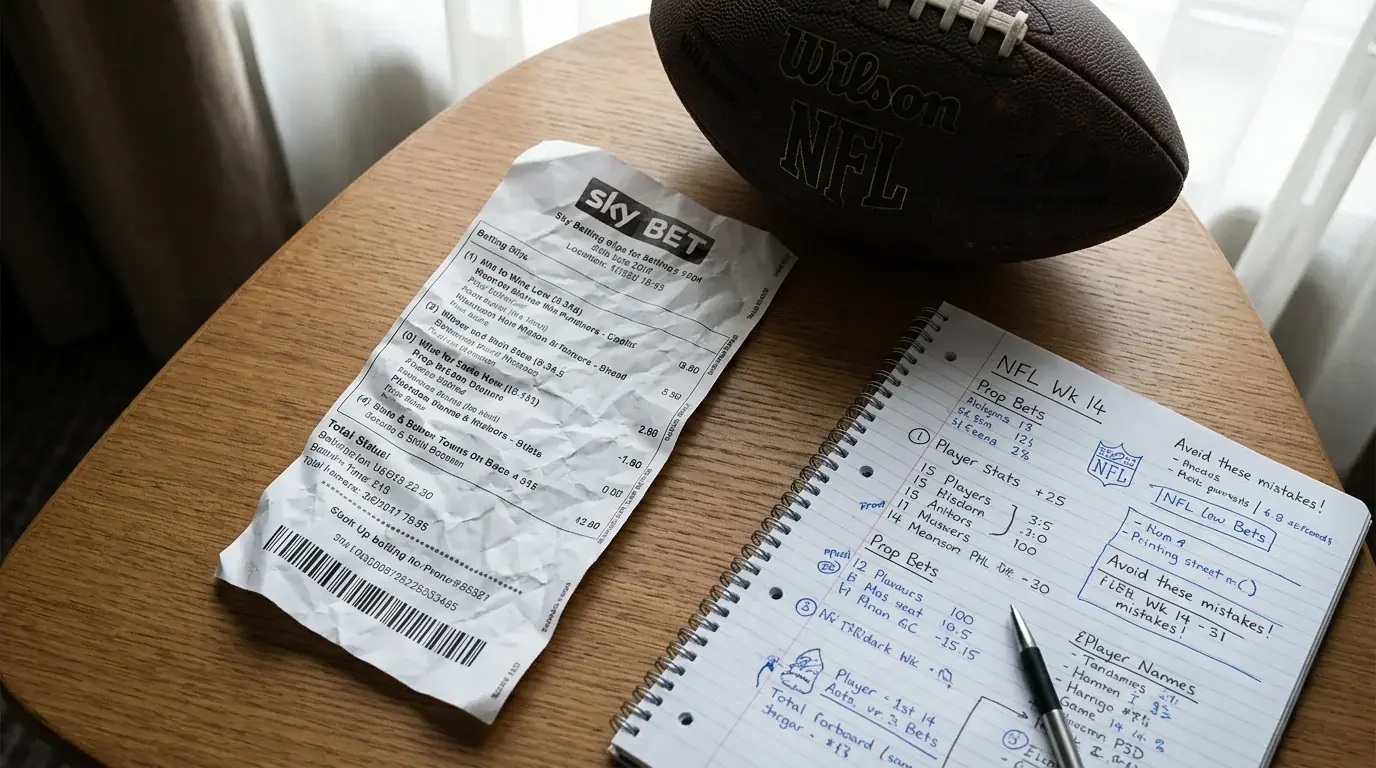
UKGC Regulations Around NFL Betting: What UK Punters Need to Know
 Available in US
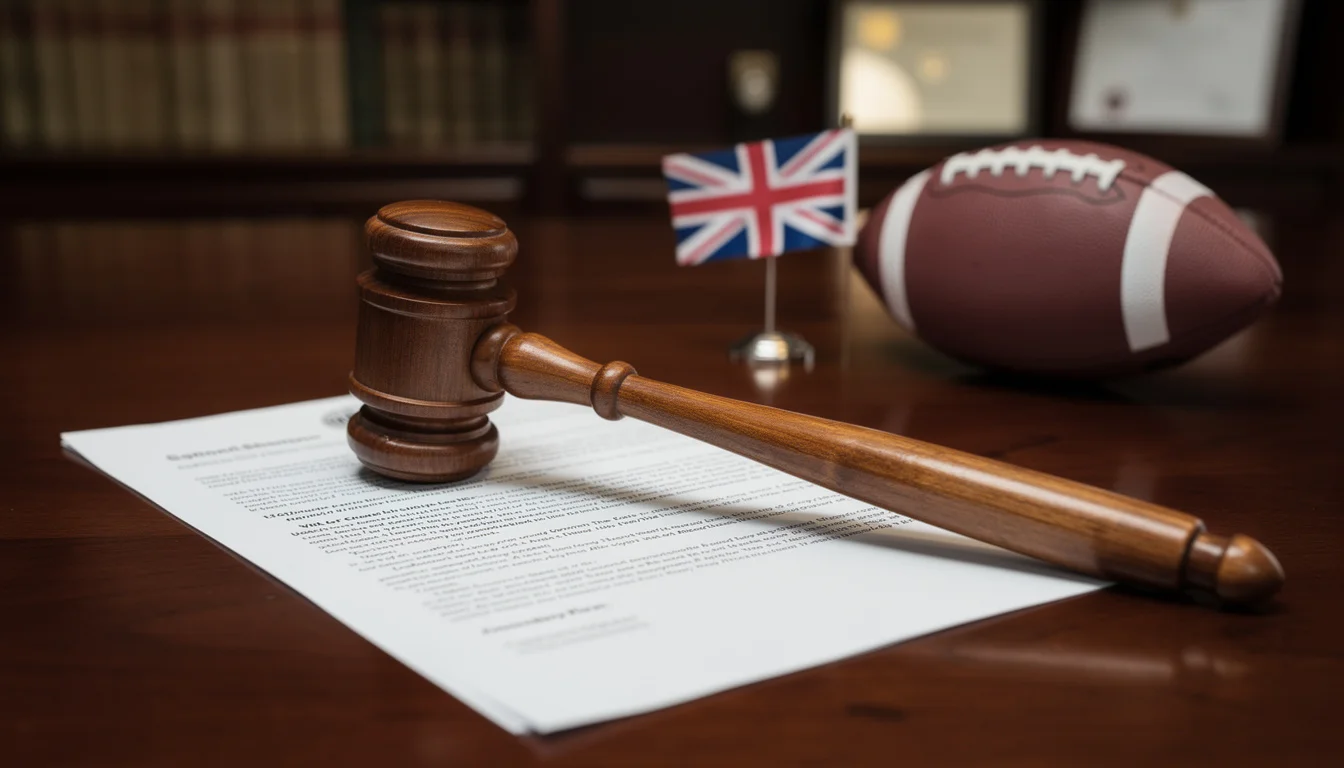
The role of the UK Gambling Commission for NFL punters
If you bet on the NFL at a UK sportsbook, the UK Gambling Commission is the silent regulator behind every transaction. The UKGC does not set odds, does not recommend bets, and does not intervene in day-to-day betting decisions. What it does is license operators, enforce consumer protection standards, and investigate when things go wrong. Understanding the Commission’s role is not exciting, but it is the foundation that makes legal NFL prop betting in the UK possible — and distinguishable from the unregulated offshore alternatives that carry genuine risk.
The regulatory framework applies identically to NFL betting and to any other sport offered by UK-licensed operators. There is no NFL-specific regulation. The same rules that govern Premier League match betting govern your quarterback passing yards prop. This universality is important because it means your protections as an NFL bettor — fair settlement, dispute resolution, responsible gambling tools — are the same protections enjoyed by every sports bettor in the country.
Learn more about prop bets for nfl on our main page.
Licensing and operator checks
Every sportsbook legally offering NFL betting to UK residents must hold a licence from the UK Gambling Commission. The licence is not a formality — operators undergo assessment of their financial stability, their technical systems, their anti-money-laundering procedures, and their responsible gambling infrastructure before the Commission grants permission to operate. The total GGY of the UK gambling industry’s remote sector reached 6.9 billion pounds in the most recent annual reporting period, and every pound of that revenue flows through operators that hold an active UKGC licence.
For a UK punter, the practical implication is straightforward: if a sportsbook is not listed on the UKGC register, do not bet there. The Commission maintains a public register of licensed operators that is searchable by company name, licence number, and trading name. Before opening an account at any sportsbook for NFL betting, I check the register. The process takes 30 seconds and eliminates the risk of depositing money with an unlicensed operator that has no legal obligation to pay out your winnings.
Licensed operators are subject to ongoing compliance requirements. The Commission conducts regular audits, investigates consumer complaints, and has the authority to fine, suspend, or revoke licences. In recent years, the UKGC has issued multi-million-pound fines to operators that failed to meet responsible gambling and anti-money-laundering standards. The enforcement activity is public, which means you can check whether a specific operator has a disciplinary history before opening an account.
Affordability and ID verification
Two regulatory requirements that directly affect NFL bettors are identity verification and affordability checks. Both are designed to protect consumers, and both can feel intrusive if you are not expecting them.
Identity verification is mandatory before you can withdraw funds from a UK sportsbook account. The operator must confirm your name, age, and address using documentation — typically a passport or driving licence and a recent utility bill. Some operators allow you to deposit and bet before completing verification, but withdrawals are blocked until your identity is confirmed. I recommend completing verification immediately upon opening an account, before you have a winning bet that you want to cash out. The delay between placing a bet and completing verification can be frustrating if it coincides with a payout request.
Affordability checks are more controversial and less consistently applied. The UKGC requires operators to monitor betting activity for signs that a customer may be spending beyond their means. If your betting volume or losses exceed certain thresholds, the operator may request evidence of income — payslips, bank statements, or tax returns — before allowing you to continue betting at the same level. The thresholds are not publicly standardised, and different operators apply different triggers, which means a punter who bets comfortably at one book may encounter an affordability check at another. The overall UK gambling industry recorded 11.5 billion pounds in GGY for the most recent annual period, and the regulator’s increasing focus on affordability reflects concern about the concentration of losses among a small number of high-volume bettors.
For NFL prop bettors who maintain accounts at multiple sportsbooks — which is standard practice for line shopping — the affordability question is particularly relevant. Your total betting activity across all platforms may exceed an individual operator’s threshold even if your activity at each book is modest. Operators do not share customer data with each other, so each book evaluates your activity in isolation, but a sudden spike in deposits at a single platform can trigger a review.
Advertising and promotion rules
The UKGC imposes strict rules on how licensed operators can advertise NFL betting products to UK consumers. These rules have tightened considerably in recent years and directly affect the promotions, enhanced odds offers, and bonus products that NFL prop bettors encounter.
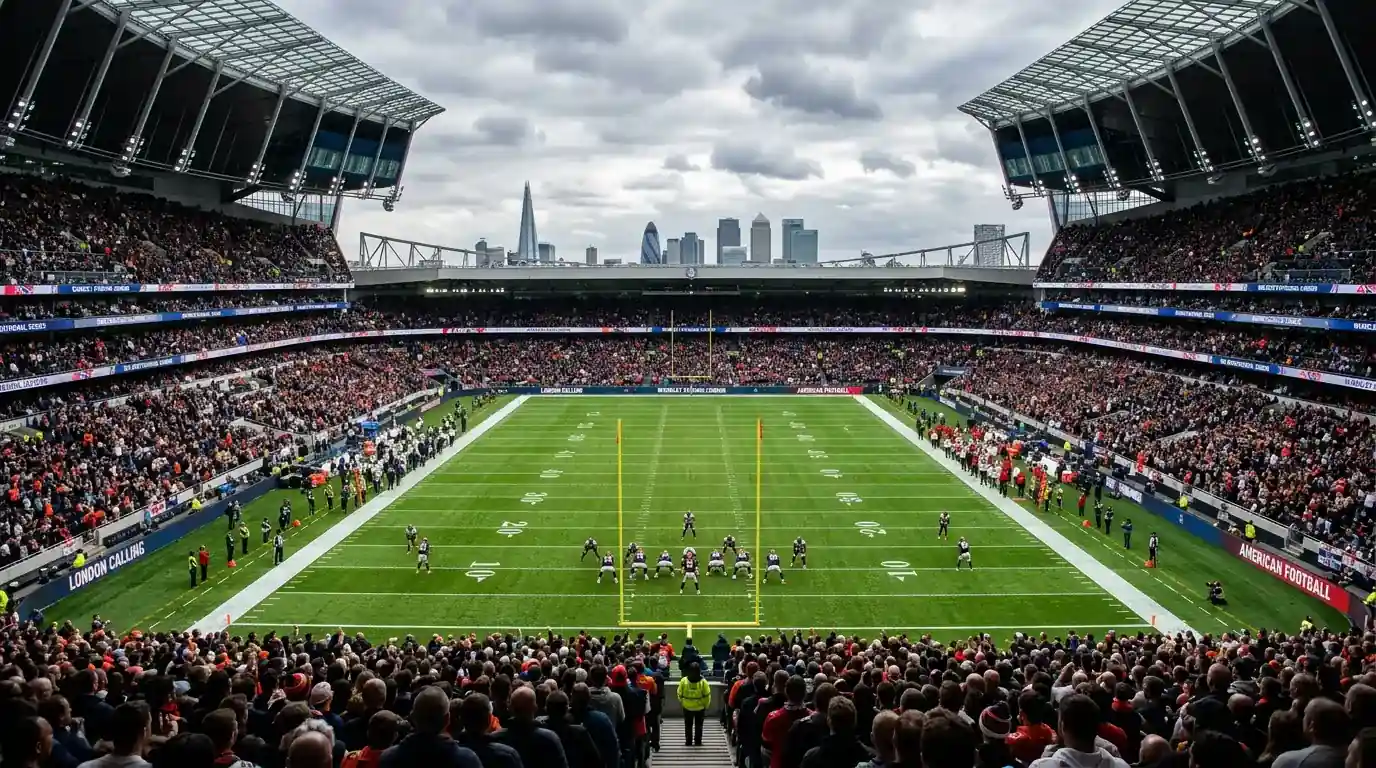
Operators may not target advertising at under-18s, may not use athletes or personalities who appeal primarily to children, and may not imply that betting is a reliable source of income. Enhanced odds promotions — which are common for NFL prop bets, particularly during the Super Bowl and London games — must include clear terms and conditions, and the advertised price must be genuinely available to qualifying customers, not a bait-and-switch.
The whistle-to-whistle advertising ban, which prohibits gambling advertising during live sporting broadcasts before the 21:00 watershed, applies to NFL coverage on UK television. This means the in-broadcast gambling advertising that American viewers see during NFL games is stripped from the UK feed and replaced with generic advertising or channel promotions. The ban does not apply to online or social media advertising, which remains a primary channel for UK sportsbooks to promote their NFL prop products.
Dispute resolution channels
When a prop bet settlement goes wrong — and it does happen — the UKGC’s regulatory framework provides a structured resolution process. The first step is always to contact the sportsbook directly. Licensed operators are required to have a complaints procedure and to respond within a specified timeframe, typically eight weeks.
If the sportsbook’s response is unsatisfactory, the next step is an approved Alternative Dispute Resolution (ADR) provider. Every licensed operator must be registered with an ADR service, and the details are published on the operator’s website and on the UKGC register. The ADR provider reviews the dispute independently and issues a decision that the operator is obligated to follow. Common NFL prop disputes involve settlement rules for voided legs in bet builders, player inactivity affecting prop settlement, and disagreements over the application of specific rules to American football events.
You may also find Cookie Policy interesting.
The UKGC itself does not adjudicate individual betting disputes. Its role is to ensure that operators comply with their licence conditions and that the ADR process functions as intended. If you believe an operator is systematically failing to settle NFL prop bets fairly, the Commission investigates at the operator level rather than resolving your specific complaint. The practical takeaway is that the ADR route is your primary recourse, and documenting your bets — screenshots of the slip, the settlement, and the relevant rules — is essential to making a successful claim.
For a data-led view of how the UK NFL betting market operates at scale, the market statistics overview provides the numbers that put these regulatory structures in context.
How do I check whether an NFL betting site is UKGC licensed?
Visit the UK Gambling Commission’s public register at gamblingcommission.gov.uk and search for the operator by name, licence number, or trading name. If the operator does not appear on the register, it is not licensed to offer betting services to UK residents. Only bet with licensed operators — unlicensed sites have no legal obligation to honour payouts or follow consumer protection rules.
What is an affordability check and when is it triggered?
An affordability check is a request from a sportsbook for evidence that your betting activity is within your financial means. It is typically triggered when your deposits, losses, or betting volume exceed operator-defined thresholds. The operator may ask for payslips, bank statements, or other financial documentation. Thresholds vary between operators and are not publicly standardised, so a level of activity that passes unchecked at one book may trigger a review at another.
Where do I escalate a UK NFL bet dispute?
First, file a formal complaint with the sportsbook directly — they are required to respond within eight weeks. If the response is unsatisfactory, escalate to the operator’s approved Alternative Dispute Resolution (ADR) provider, which is listed on the operator’s website and on the UKGC register. The ADR provider reviews your case independently and issues a binding decision. Document your bet slips, settlement details, and communications throughout the process.
Created by the ”Prop Bets for nfl” editorial team.